Capezio

Women's Adjustable-Strap Dance Bra Tops

Women's Adjustable-Strap Dance Bra Tops

Find women’s adjustable-strap dance bra tops that let you fine-tune the fit through the shoulders for class and rehearsal. Compare sizing, coverage, and support details to choose a dance top that works with your dancewear and training needs.

Read More

FILTERS

0 ITEMS
GRID VIEW:
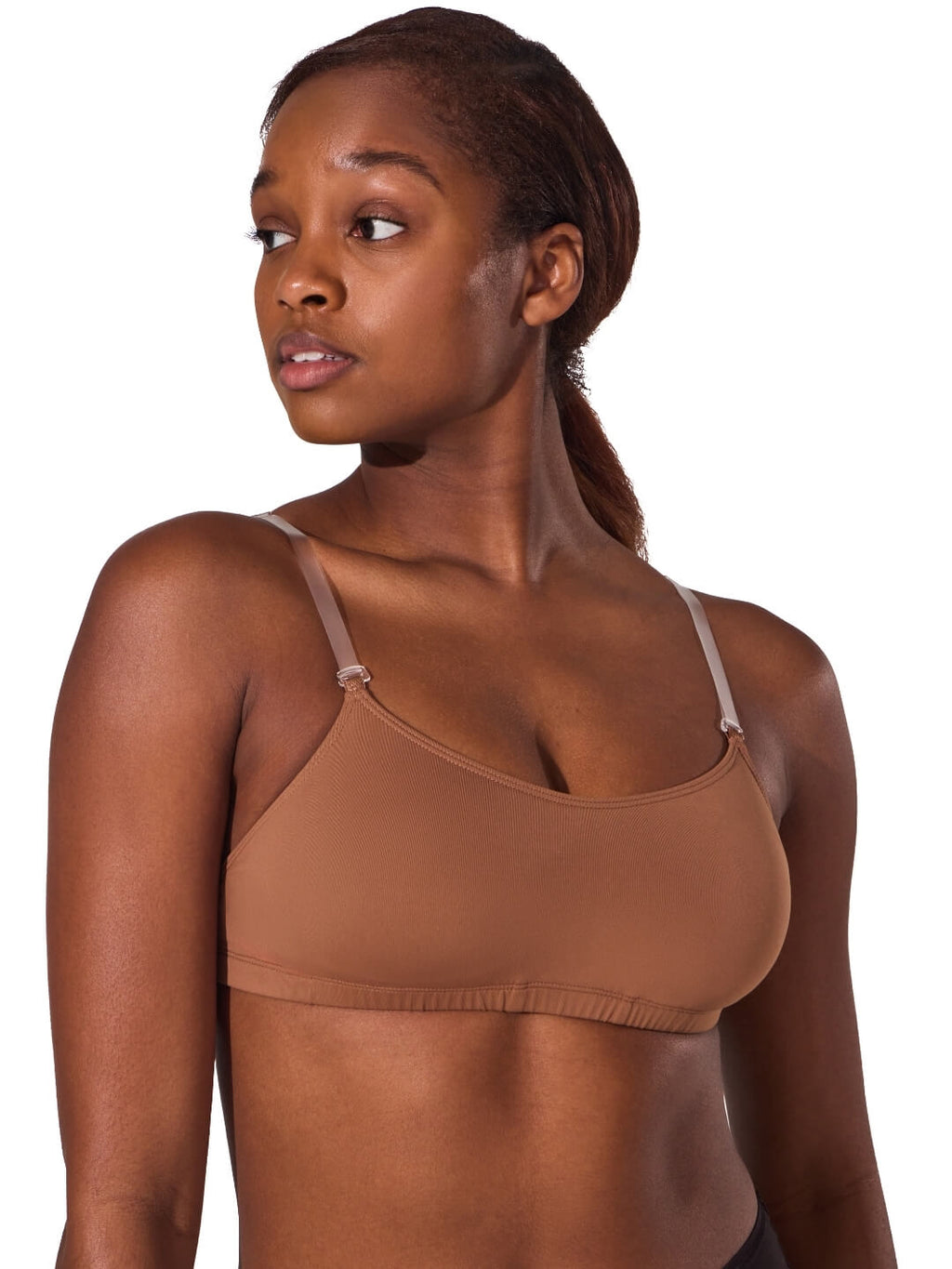
Women’s adjustable-strap dance bra tops combine a close-fitting body with straps that can be lengthened or shortened to refine the fit. They provide a foundation for studio classes, rehearsals, and layered dancewear, with coverage and support that depend on the fabric, underband, and overall construction. Adjustable straps help position the top on the torso without requiring the dancer to accept a fixed shoulder length. That flexibility matters during port de bras, overhead reaches, and transitions between standing and floorwork, when an otherwise comfortable top can pull or shift. A secure underband helps anchor the garment, while correctly adjusted straps keep the upper edge positioned without digging into the shoulders. Neither feature works alone. The best fit comes from the band, bust coverage, and strap length working together through movement. These tops can serve dancers practicing ballet, jazz, contemporary, or other disciplines where a compact layer allows the shoulders and arms to move freely. They can be worn on their own when studio requirements permit, or beneath a leotard or training top when an additional layer is preferred. Coverage needs may differ between a technique class at the barre and a rehearsal with deep hinges, inversions, or repeated jumps. A higher neckline can provide more coverage during forward folds, while a lower-profile neckline may fit more easily beneath another garment. Adjustable straps do not, by themselves, establish a particular level of support. Dancers who need greater control during high-impact movement should consider the garment’s stated intended use and support features rather than relying on strap adjustment alone. For adult beginners, returning dancers, and experienced performers, the value is practical: a bra top that can be fine-tuned to the torso and worn for the demands of a specific session. Comfortable support should allow a full breath and unrestricted arm movement, without repeated pulling at the neckline or repositioning between combinations.

Fabric and construction determine how an adjustable-strap dance bra top responds to stretching, perspiration, and repeated wear. Nylon or polyester blended with elastane is common in close-fitting dancewear because the combination can provide stretch and recovery. The fiber blend, fabric weight, and knit structure all influence the result, so two tops with similar fiber content may feel different in motion. Lightweight fabric can reduce bulk beneath a leotard, while a more substantial knit may provide a firmer feel and greater coverage. Moisture management depends on the actual textile and finish; synthetic fiber content alone does not guarantee a particular drying rate or wicking performance. A lining can add another layer between the body and the outer fabric, although lining does not automatically mean greater support. Smooth seams and low-profile edges are useful where a bra top meets fitted clothing, particularly around the neckline, armholes, and underband. During floorwork, flat construction can also reduce the distraction of bulky seams against the torso. Strap width and hardware placement deserve similar attention. Narrow straps may fit beneath slim shoulder lines, while wider straps distribute pressure across a broader area. Sliders should hold the chosen length without sitting where they press during a roll or a stretch on the back. Fit is most informative in motion rather than in a standing position alone. An overhead reach, a deep plié, and a forward hinge can reveal whether the band rides up, the neckline gaps, or an armhole restricts movement. A band that stays level and feels secure without pinching provides a stronger foundation than straps tightened to compensate for an oversized body. Bust coverage should remain comfortable through these movements, without compression that makes breathing difficult. Size charts and individual measurements are more useful than assuming the same size will fit across every cut. Differences in torso length, shoulder position, and bust proportions can affect how much adjustment is needed and whether a particular shape suits the dancer.

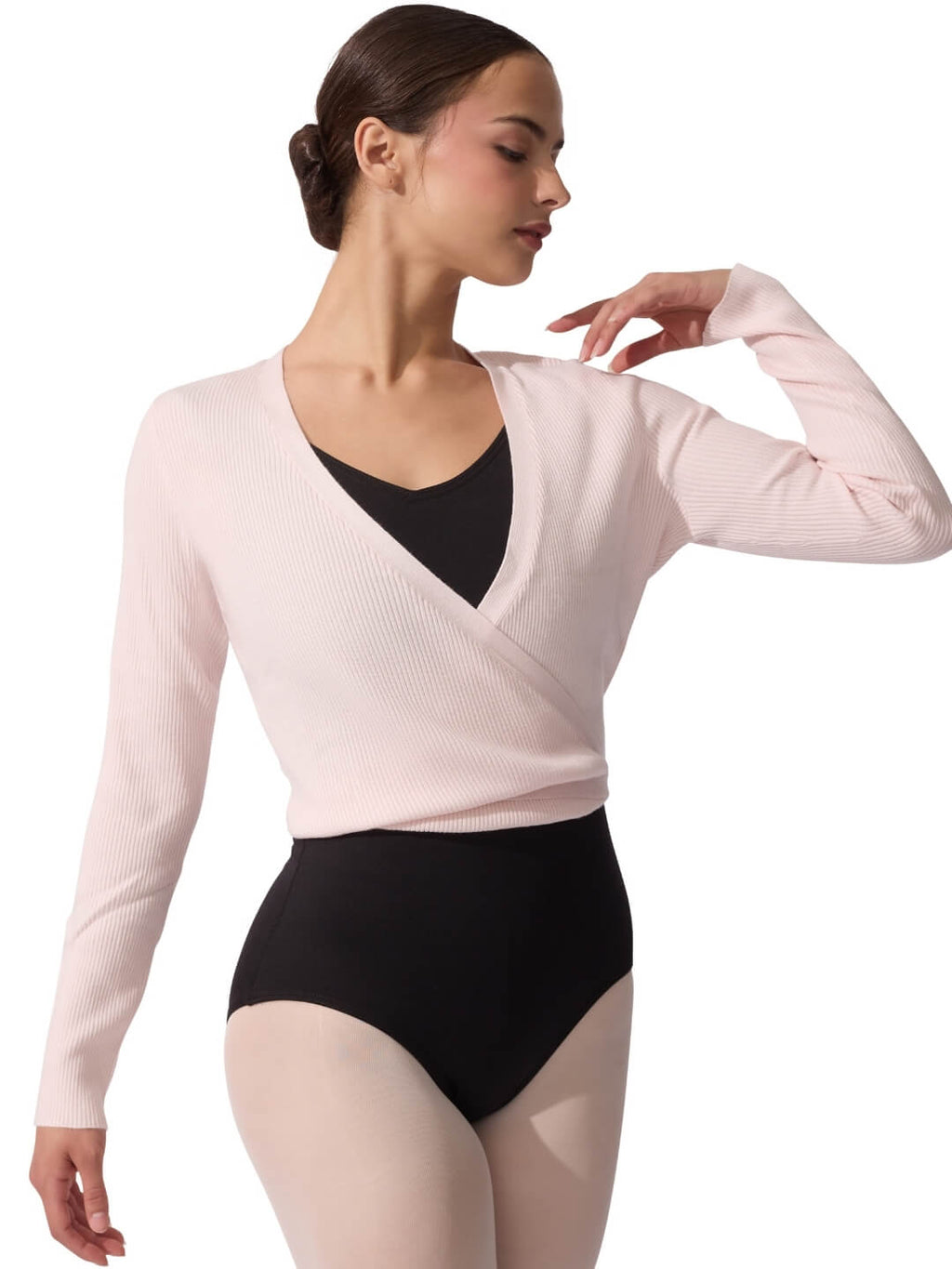
Layering works best when each piece supports movement without adding unnecessary pressure or friction. Beneath a leotard, an adjustable-strap bra top should sit smoothly enough that the two garments do not pull against each other at the shoulders. Under a looser rehearsal shirt, a stable band and comfortable coverage can keep the base layer functional through turns, stretches, and changes of direction. Alongside Strap Dance Tops, these bra tops give dancers options for building a training outfit around coverage, shoulder mobility, and studio requirements. The choice depends on the whole outfit and the work ahead, not simply on how a top feels before class begins. Care also plays a direct role in how consistently the garment performs. The sewn-in care label should guide washing and drying, especially when a top includes lining, removable inserts, or specialized finishes. Where the label permits machine washing, a mesh laundry bag can help limit tangling and contact with rough closures on other garments. Cool water and a mild detergent are often suitable for stretch dancewear, but the garment’s instructions take priority. Fabric softener may interfere with some moisture-management finishes, so compatibility matters. Excessive heat can shorten the useful life of elastic fibers, making the recommended drying method important for both the body fabric and the straps. Allowing a damp top to dry fully before storing it also helps keep a dance bag ready for the next session. Over time, stretched straps, slipping sliders, a rolling band, or fabric that no longer recovers can change the fit even when the size has not changed. Periodic fit checks help identify that wear before it becomes a distraction in rehearsal. With suitable construction, a movement-tested fit, and consistent care, an adjustable-strap dance bra top can provide dependable coverage and support as part of a dancer’s regular training rotation.
Read More

FAQ