Capezio

Warm-Up Booties For Pointe Shoes

Warm-Up Booties for Pointe Shoes

Keep your feet warm before class and between rehearsals with warm-up booties for pointe shoes. Explore booties for your ballet warm-up routine, and check each style’s fit and sizing guidance to choose an option that accommodates your pointe shoes.

FILTERS

0 ITEMS
GRID VIEW:
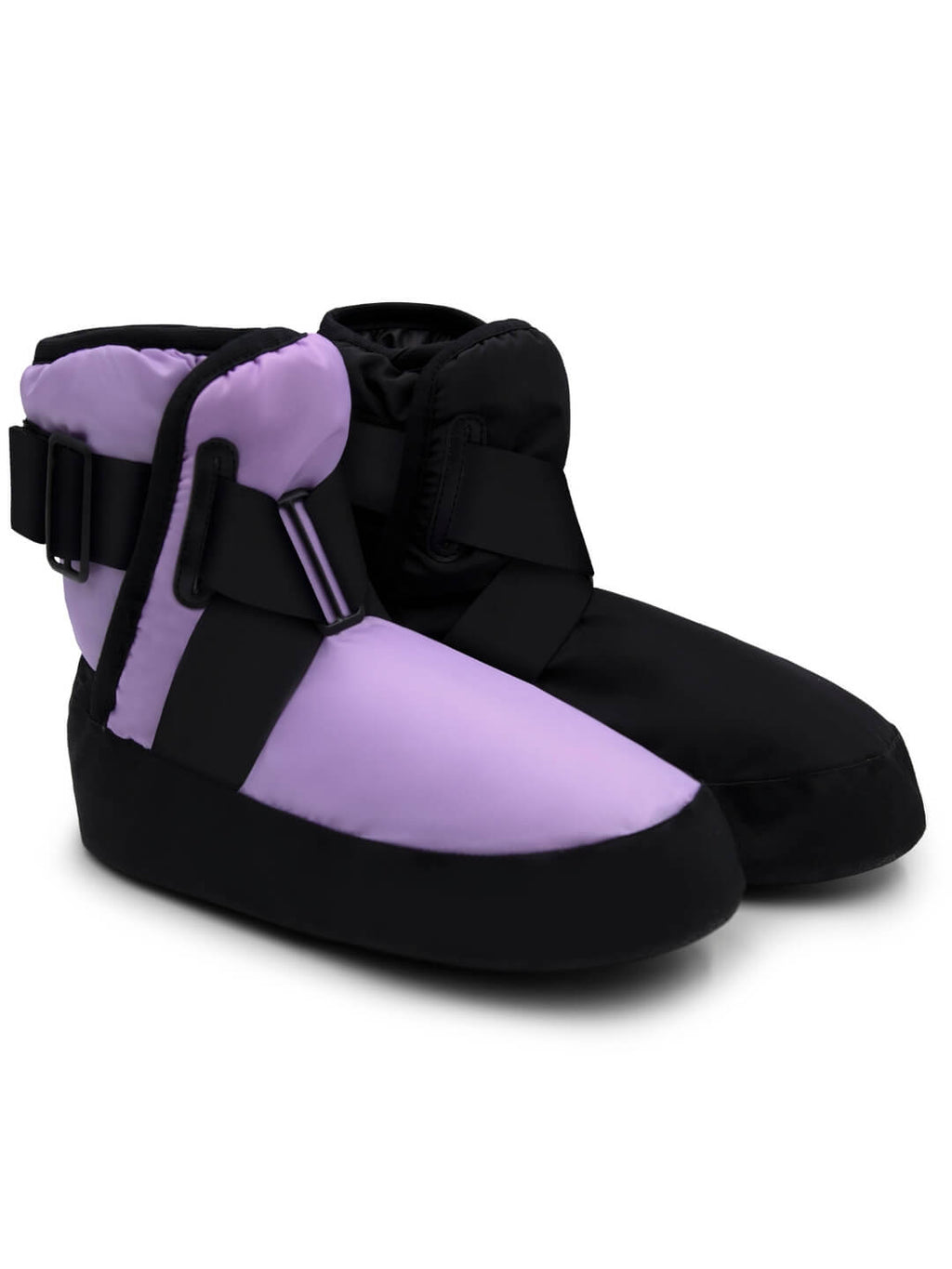
Warm-up booties for pointe shoes are insulated covers designed to fit over dance footwear and help retain warmth around the feet and ankles between periods of activity. They give dancers an extra layer during a pause at the barre, a rehearsal break, or time spent waiting in the wings. Their role is straightforward: help hold warmth while training pauses, then come off before pointe work resumes. They are not a substitute for an active warm-up, and they do not provide the support of a pointe shoe. For dancers moving between class, rehearsal, and performance, that distinction matters. A bootie supports the routine around dancing rather than changing how the pointe shoe performs. Common constructions combine a lightweight woven outer fabric, insulating fill, and a soft lining. Nylon and polyester are often used for their low weight and durability, while padded layers help retain warmth around the foot. The balance of insulation, flexibility, and structure varies by design. A smooth lining can make it easier to pull a cover over a pointe shoe without catching on ribbons or elastic. A reinforced bottom can help the bootie withstand contact with studio floors during permitted use, but no sole should be assumed suitable for every surface. Even a textured outsole can behave differently on marley, wood, tile, or a dusty backstage floor. Follow studio rules and the manufacturer’s intended use rather than treating a bootie as a dance shoe. A full-coverage shape may also help shield the shoe underneath from incidental contact with a clean floor, although it cannot prevent all wear. Look for a balance that suits the dancer’s schedule: enough coverage for rehearsal breaks, manageable bulk in a dance bag, and a construction that is easy to put on and remove without pulling at the pointe shoe underneath.

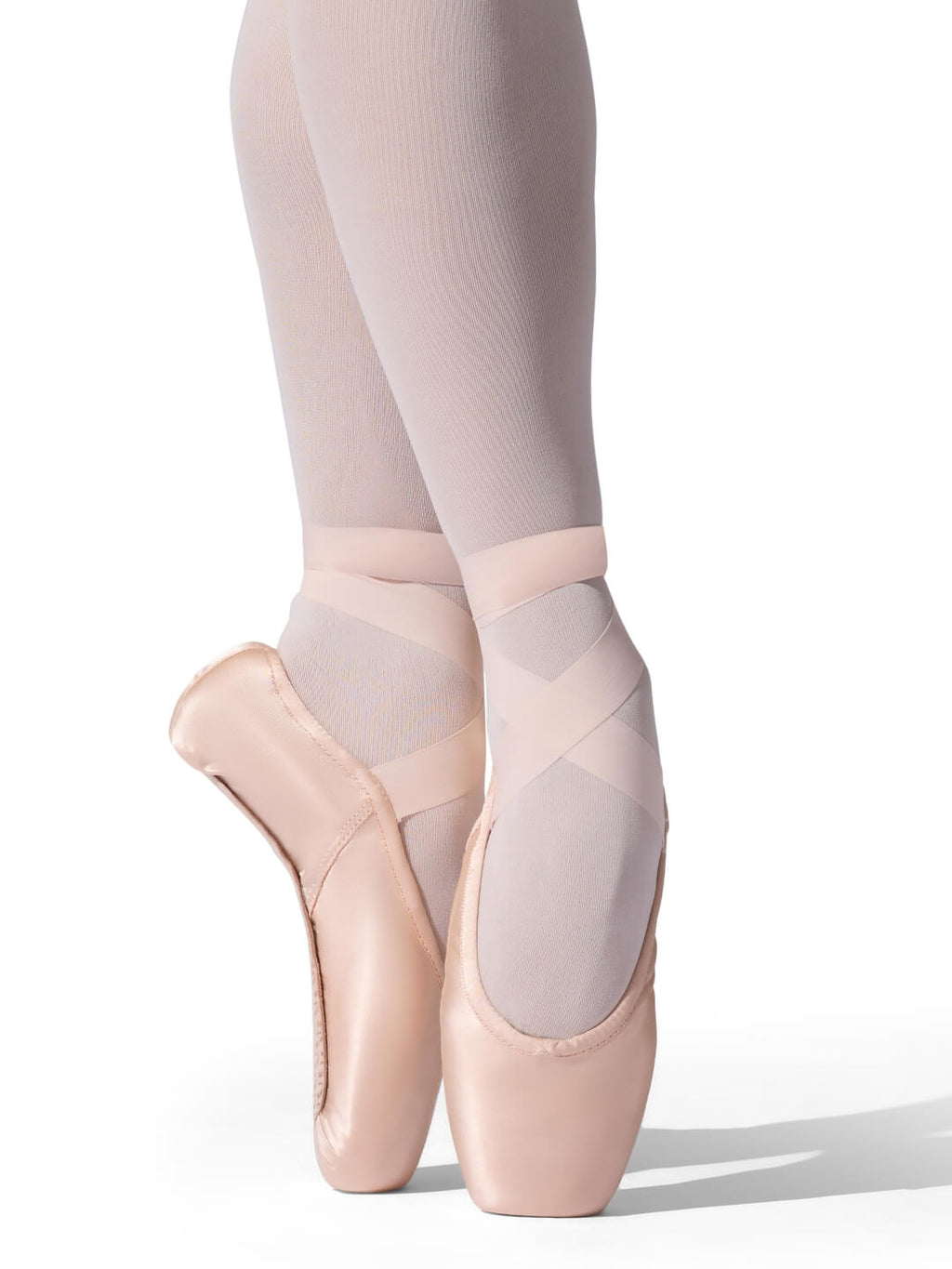
Fit starts with what the dancer plans to wear inside the bootie. A cover intended for bare feet or ballet slippers may not have enough room for the length and width of a pointe shoe box. Check the sizing guidance for the bootie and confirm that its intended use includes wear over pointe shoes. Street shoe size alone does not account for the shape of the footwear underneath. The right fit allows the pointe shoe to sit inside without crowding the toes, pressing across the box, or forcing the heel out of position. At the same time, excessive space can leave loose material around the foot and make walking less controlled. When checking fit, wear pointe shoes as they would be worn for class, with ribbons and elastics secured. The cover should slide on without a struggle and come off without shifting the shoe or dragging its heel downward. Where a design includes an adjustable ankle strap, elastic opening, or drawcord, the closure should hold comfortably without digging in or restricting the ankle. Secure any loose closure components according to the product instructions. Coverage around the ankle can be useful during longer pauses, while an opening that is easy to handle makes transitions simpler when rehearsal starts again. Picture a dancer seated beside the studio wall while another group runs a variation: the booties should be comfortable during the wait and straightforward to remove when that dancer is called back. They should not stay on for relevés, turns, jumps, or pointe exercises. Remove them and check that ribbons, elastics, and shoes remain secure before returning to movement. Students beginning pointe, advanced dancers with full rehearsal schedules, and performers waiting between entrances may all find this extra layer useful. For younger dancers, a teacher can help establish when booties are appropriate within the studio routine. Intended use should guide the choice more than padding thickness or appearance.

Regular care helps warm-up booties stay comfortable and hold up to repeated use. Start with the care label, since the outer fabric, filling, lining, and sole may require different treatment. A washable textile upper does not automatically mean the entire bootie can go in a washing machine or dryer. When spot cleaning is permitted, remove surface dirt gently and avoid soaking layers that are not designed for immersion. Let booties dry fully before packing them away, using the drying method specified by the manufacturer. After training, remove them from the dance bag so moisture does not remain trapped against the lining. Pointe shoes also need their own drying routine; leaving them enclosed inside booties can hold moisture around materials that need time to air out. Keeping both pieces separate between sessions makes it easier to check their condition. Inspect high-contact areas such as the bottom, toe, heel, and opening for worn fabric, loose stitching, or changes in the sole. Padding that has flattened substantially, a lining that bunches underfoot, or a closure that no longer holds securely can affect comfort and fit. Indoor booties should not be treated as outdoor footwear unless their construction and care instructions specifically allow it. Pavement, grit, and damp surfaces can add unnecessary wear and carry debris back toward the studio. For a practical dance gift, warm-up booties suit someone who regularly takes ballet class, rehearses on pointe, or spends time waiting backstage. Confirm the recipient’s footwear needs and measurements rather than guessing from age or clothing size. The same fit-first approach applies to Men's Dance Warm-Up Booties: allow space for the footwear worn underneath, check the opening, and follow the intended use. Across dance routines, the most useful booties are those that fit securely, retain warmth during breaks, and stand up to consistent care without complicating the return to training.

FAQ