Capezio

Ribbed Knit Wrap Sweaters

Ribbed Knit Wrap Sweaters

Ribbed knit wrap sweaters add a layer of warmth over dancewear during warm-ups and between classes. Browse wrap-style dance sweaters for studio layering, and choose a fit that sits comfortably over your leotard without restricting movement.

FILTERS

0 ITEMS
GRID VIEW:
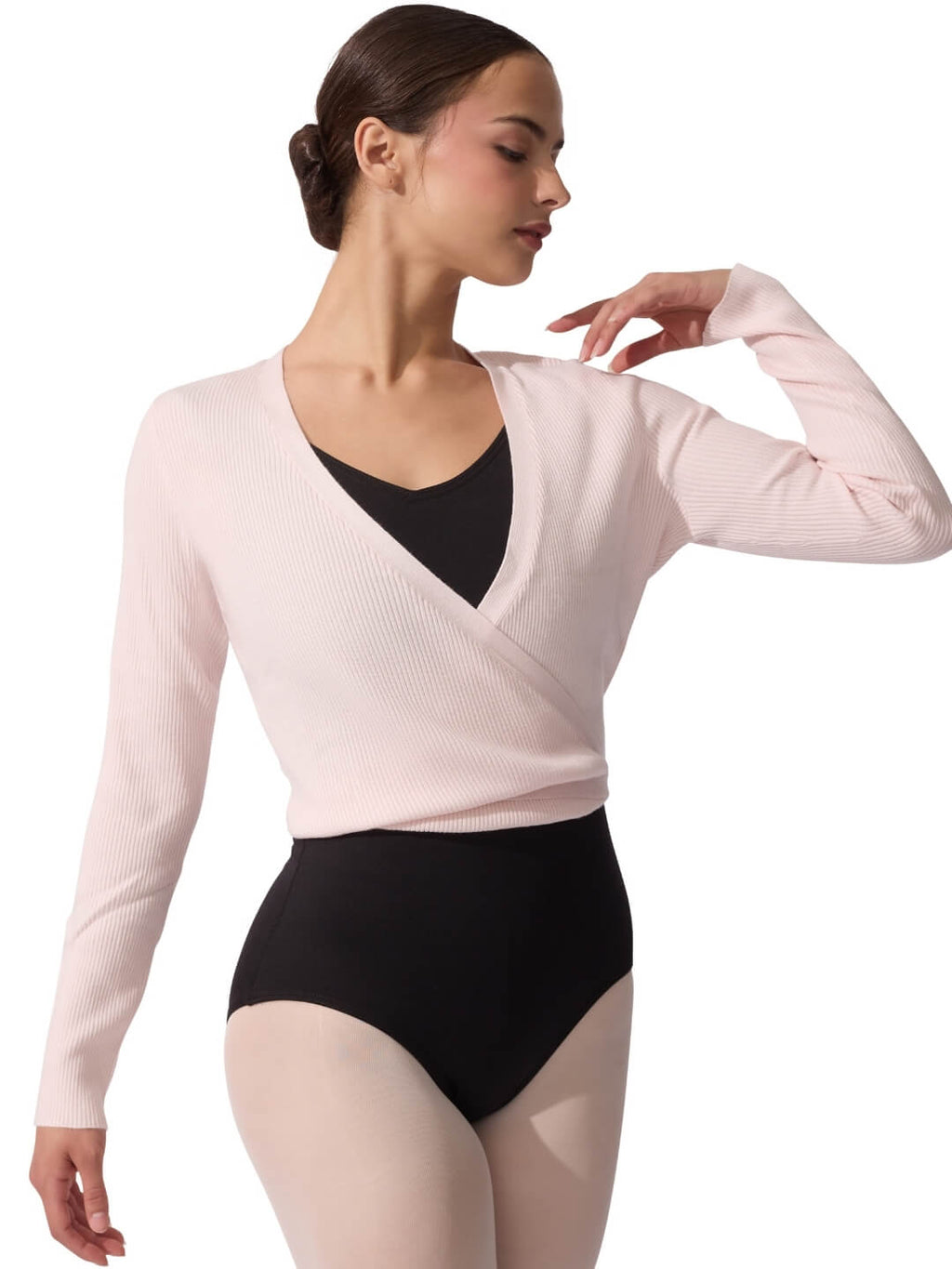
Ribbed knit wrap sweaters provide an adjustable layer for dance preparation, warm-ups, and transitions between parts of a practice session. Their crossover fronts sit over a leotard or fitted top, while a wrap fastening allows the fit to be adjusted around the torso. The aim is coverage that moves with the dancer rather than fabric that needs constant repositioning. Ribbed knitting creates alternating raised and recessed columns, giving the fabric texture and natural give across its width. That structure can help a sweater follow the body through port de bras, gentle stretches, and exercises at the barre. The amount of stretch, weight, and recovery depends on the yarn, knit density, and overall construction, so ribbing alone does not determine performance. Cotton-containing knits can offer a soft, absorbent feel, while acrylic and other synthetic fibers can contribute lightweight coverage and straightforward care. Nylon may add strength to a blend, and elastane can support stretch and recovery when included. Fiber content matters alongside the way the sweater is made: a fine, close knit behaves differently from a heavier, more open construction, even when both have a ribbed surface. For dance use, the most useful balance is enough flexibility to follow movement without excessive fabric collecting at the waist or under the arms. A wrap sweater is a removable layer, not a substitute for a gradual physical warm-up. It can be worn over practice clothing during preparation and taken off when the dancer or instructor needs a clearer view of alignment. This makes the category relevant to ballet students, adult beginners, experienced dancers, and anyone returning to regular studio work. The function remains the same across experience levels: comfortable coverage, freedom through the shoulders, and a fit that stays manageable as the body changes position. A sweater that works well standing still should also remain comfortable when the arms lift, the torso lengthens, and the elbows bend.

Fit is especially important in a ribbed knit wrap sweater because both the knit and the fastening influence how it sits in motion. A close fit should follow the torso without pulling the crossover neckline out of position or creating tension across the upper back. Enough room through the shoulders and underarms allows the arms to move from a low position to overhead without the entire sweater lifting sharply. Sleeve length deserves attention as well. Cuffs that finish near the wrist keep the hands free, while excess length can interfere with a secure hold at the barre. A wrap tie should fasten comfortably without needing to be pulled tight to compensate for an oversized body. Its placement also affects function: a knot that presses into the waist during a forward fold or rolls beneath another layer may become distracting over a full session. Hem length is another practical consideration. A shorter sweater can reduce fabric around the hips, while a longer cut offers more torso coverage; either should allow the dancer to bend and reach without repeated adjustment. Sizing is best considered over the clothing intended underneath, since a sweater worn over a leotard will fit differently from one layered over a thicker top. Stretch should support movement, not make up for a size that restricts breathing or compresses the upper arms. Layering a sweater over a leotard and pairing it with Women's Chiffon Ballet Wrap Skirts allows the upper layer to be removed without changing the rest of the practice outfit. Studio dress requirements still determine which layers are appropriate during class, particularly when an instructor needs to see placement through the ribs, waist, and hips. For dancers moving between barre work, rehearsal preparation, and seated breaks, easy removal is a useful part of the wrap design. The fastening should remain accessible, and any loose ties should be secured so they do not distract from movement.

Durability in dance knitwear depends on construction, fit, and care working together. Ribbed fabric stretches repeatedly during wear, so recovery at the cuffs, hem, and crossover edges helps a sweater maintain a consistent fit. Seams should accommodate normal movement without feeling strained, and tie attachment points need to withstand regular fastening and unfastening. Pulling hard on a tie or stretching a sleeve to force a closer fit puts unnecessary stress on those areas. Care requirements vary by fiber blend, making the garment’s care label the starting point for washing and drying. When machine washing is permitted, a gentle cycle and a mesh laundry bag can help limit friction and keep ties from tangling with other clothing. Hand washing, when specified, calls for gentle handling rather than vigorous rubbing or twisting. Removing excess water without wringing helps avoid stretching the knit. Many sweaters benefit from being reshaped and dried flat when the label permits, with sleeves and wrap panels arranged in their intended position. Hanging a wet knit can pull it out of shape under its own weight. Hook-and-loop fasteners, exposed zippers, and rough surfaces can catch yarns, so keeping knitwear separate from these during washing and transport helps reduce snags. Letting a worn sweater dry fully before packing it away also supports a more practical studio routine. For frequent dancers, a dedicated place in the dance bag keeps ties contained and makes the layer easier to reach before class. As a gift, a ribbed wrap sweater can serve a student beginning regular lessons, an adult returning to ballet, or a dancer building a dependable set of practice layers. The recipient’s measurements, preferred sleeve length, fabric sensitivities, and studio requirements are more useful than choosing by age alone. A flexible fastening offers some adjustment, but it does not replace accurate sizing. The strongest choice is one that supports the dancer’s actual routine: easy to layer, comfortable through repeated movement, and manageable to care for between sessions.

FAQ