Capezio

Men's Dance Warm-Up Booties

Men's Dance Warm-Up Booties

Men's dance warm-up booties help keep feet warm before class, between rehearsals, and while waiting backstage. Explore the selection of warm-up footwear and check each style’s sizing and fit details to find the right option for your dance routine.

FILTERS

0 ITEMS
GRID VIEW:
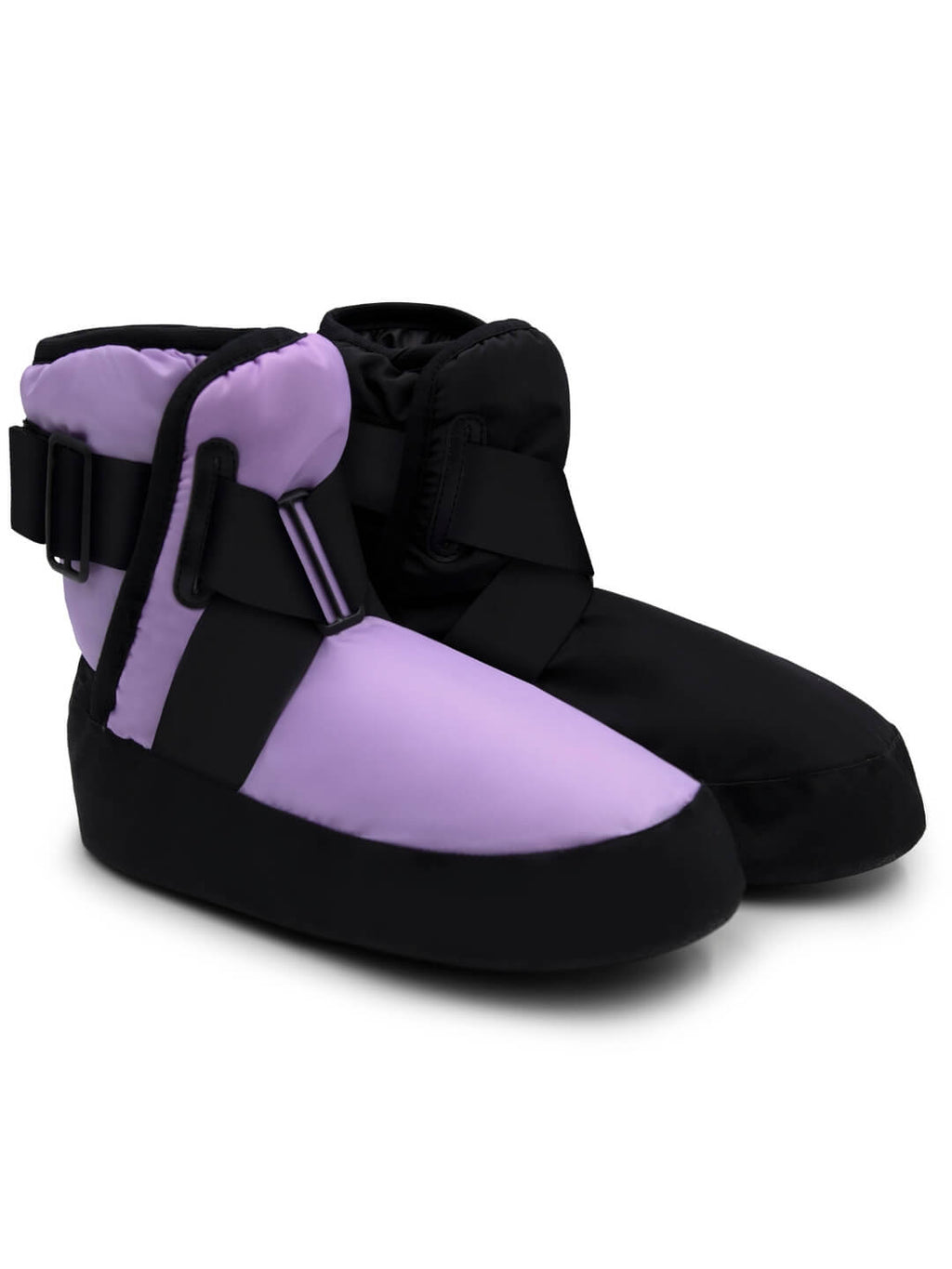
Men’s dance warm-up booties are insulated, padded boots designed to help retain warmth around the feet and ankles between periods of dancing. They support the transitions that shape a dancer’s day: arriving before class, waiting for a rehearsal call, taking a break between combinations, or preparing backstage before an entrance. Unlike ballet slippers, jazz shoes, or other dance footwear, warm-up booties are not intended for technical exercises, turns, jumps, or performance choreography. Their role is to provide a comfortable layer before dancing and during pauses, then come off when it is time to work. They complement an active warm-up rather than replace it. For ballet dancers moving between barre and rehearsal, or musical theater performers waiting through staging notes, that distinction matters. The right construction provides insulation without making the boot feel unnecessarily heavy. Common materials include woven nylon or polyester outer fabrics, synthetic insulating fill, and soft interior linings. The shell helps contain the padding and withstand routine handling, while the fill traps air to help retain body heat. A smooth lining can make the booties easier to pull on, particularly over socks or compatible dance shoes. Quilted construction can help distribute insulation, while reinforced areas may add durability where the fabric meets the sole. These details vary by design, so material descriptions are more useful than assuming every pair performs the same way. Lightweight flexibility is especially practical when booties need to come off quickly before a combination or fit into a dance bag beside shoes, tights, and rehearsal clothing. Coverage also matters. An ankle-height opening offers a different feel from a taller shaft, and padding around the ankle should feel comfortable without restricting the foot. Men’s warm-up booties can serve students, teachers, company dancers, and performers across several disciplines. Their value comes from a straightforward function: helping dancers retain warmth and stay comfortable during the spaces between active movement.

Fit determines how effectively dance warm-up booties serve that purpose. They should provide room for the foot without leaving so much extra space that the heel shifts or the sole folds under during ordinary walking. Start with the sizing information for the design, including whether sizes are listed for men or use a unisex scale. A street shoe size alone may not account for differences in foot length, width, lining thickness, or the footwear worn underneath. Some booties are designed to fit over dance shoes, while others are intended for socks or bare feet. Check that intended use before choosing a size rather than automatically sizing up. A dancer wearing thin ballet slippers may need a different amount of interior space than someone wearing padded socks. Toes should rest naturally, and the forefoot should not feel squeezed by the lining or seams. At the same time, the heel needs to remain reasonably secure when walking from the dressing area to the studio entrance. Elastic openings, adjustable closures, or pull-on shafts can affect how easily booties go on and how securely they sit around the ankle. These features should hold without digging in or requiring repeated adjustment. Sole construction deserves equal attention. Flexible bottoms support easy packing, while padded footbeds can add comfort during brief periods of standing. Textured or grip-treated soles may improve traction, but performance depends on the floor surface and its condition. No sole should be treated as slip-proof, and an indoor bootie is not automatically suitable for outdoor use. Check the intended walking surface and follow studio requirements. Dancers who need coverage over pointe footwear can also explore Warm-Up Booties for Pointe Shoes for that specific use. Allowing enough space for the shoe without pressure on its structure is important. Any bootie worn over dance footwear should be designed to accommodate it, not stretched into a fit that compresses the toes or strains the seams.

Durability depends on both construction and daily care. The sole edges, heel area, closure attachments, and seams around the opening are useful places to check because they handle repeated pulling, standing, and packing. A well-matched fit also reduces unnecessary strain on these areas. Pull booties on and off using the intended opening or pull tab, if provided, instead of forcing the foot through a tightly fastened closure. Keep indoor soles separate from outdoor footwear in a dance bag to limit the transfer of dirt to studio floors. After use, open the booties and let the interiors air out before storing them. Packing them away while damp can leave the lining unpleasant for the next rehearsal and make routine cleaning more difficult. Care instructions should always come from the label. Some insulated constructions require spot cleaning, while others may allow a specified washing method. Do not assume that machine washing is appropriate simply because the outer fabric is synthetic. Padding, adhesives, coatings, and sole materials can have different care requirements. For designs that permit spot cleaning, use the recommended cleaner and allow the booties to dry fully as directed. Avoid direct heat unless the care instructions specifically allow it. Regular checks for worn grip areas, loose seams, or compressed padding help dancers recognize when the booties no longer provide the same fit or comfort. In everyday use, a dedicated place in the dance bag keeps them within reach when a rehearsal pauses or a backstage wait runs longer than expected. Warm-up booties can also make a practical gift for a male dancer starting more intensive training, joining a company, or preparing for a performance milestone. Confirming sizing and intended use makes that gift more useful than relying on appearance alone. For dancers with full schedules, the strongest choice is one that fits their feet, works with their rehearsal routine, and stands up to repeated use. Supportive details, manageable care, and reliable construction keep the focus on preparing to move.

FAQ