Capezio

Men's Choreography Class Dancewear

Men's Choreography Class Dancewear

Find men's choreography class dancewear for learning combinations, practicing transitions, and refining movement. Explore dance apparel for class and rehearsal, choosing the fit and coverage that suit your movement needs and studio dress code.

FILTERS

0 ITEMS
GRID VIEW:
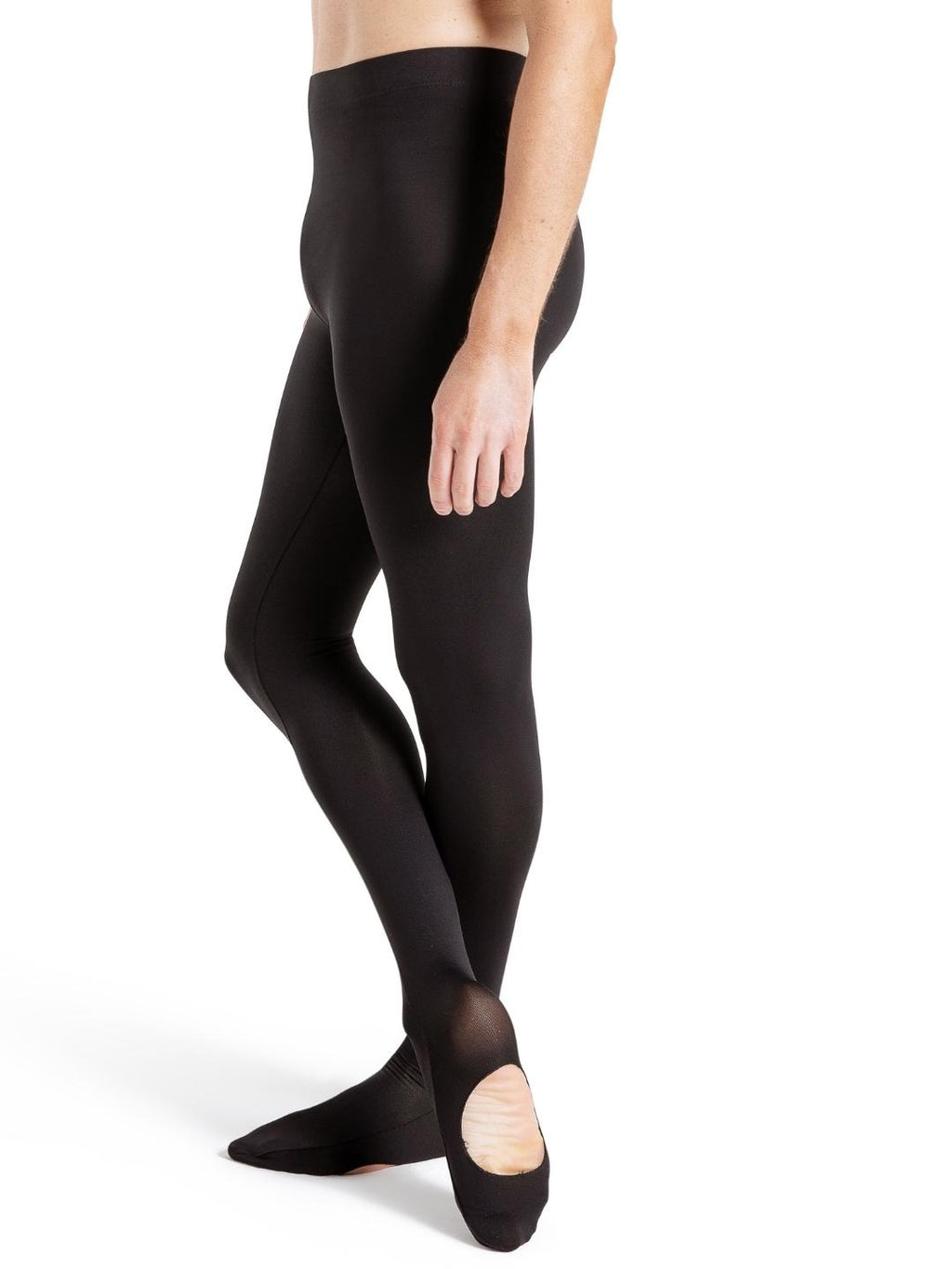
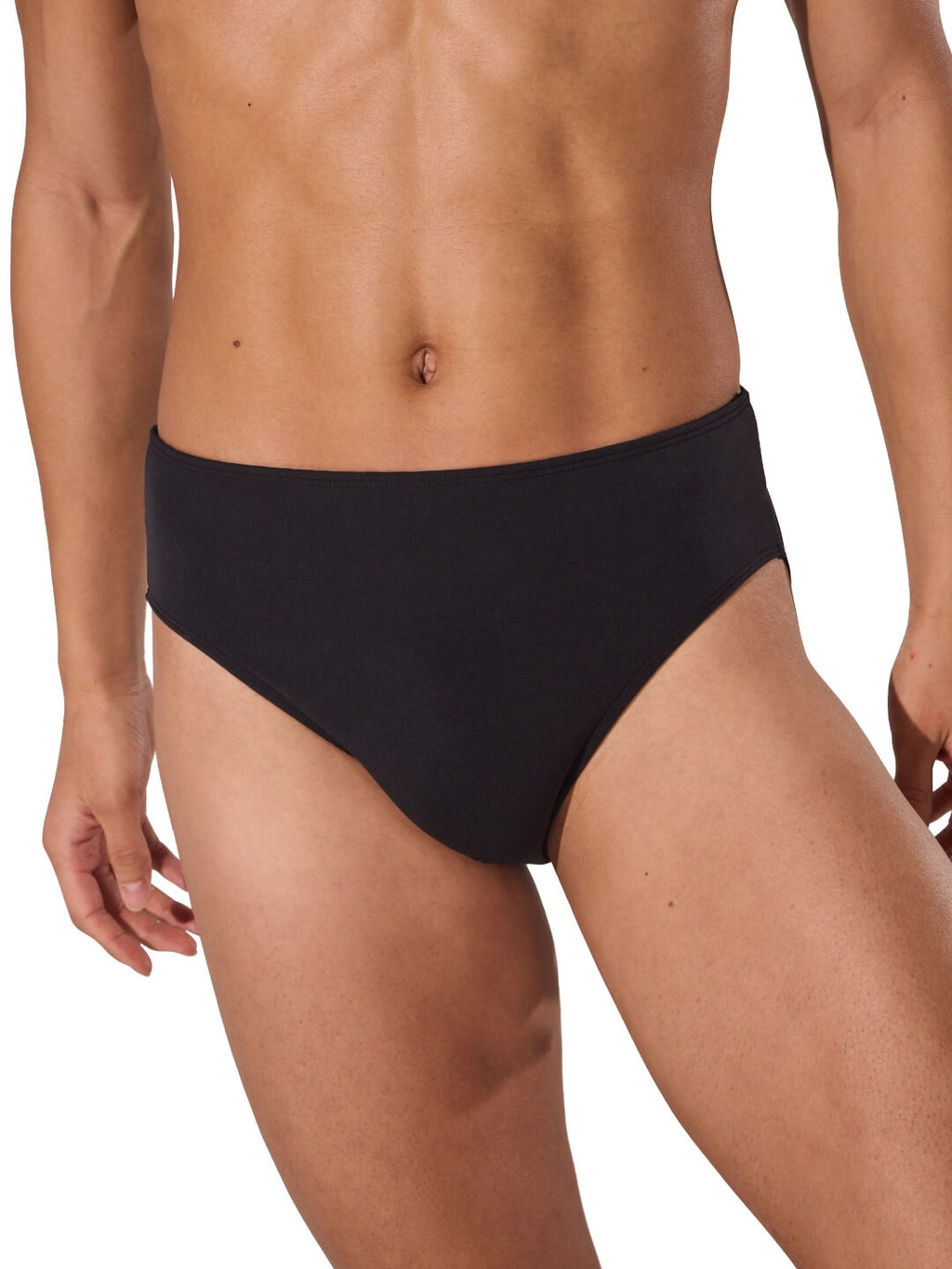
Men's choreography class dancewear supports repeated movement with flexible fabrics, a secure fit, and enough freedom to work through unfamiliar combinations. Fitted or close-fitting clothing helps instructors see body alignment, while stretch allows the shoulders, hips, and knees to move without restriction. Moisture-managing materials can help dancers stay comfortable through repeated phrases and full-out runs. These qualities matter in a class where a dancer may move from standing sequences to floorwork, then repeat the same transition until its timing feels precise. A top should allow an overhead reach without pulling sharply across the back or lifting enough to interrupt practice. Bottoms should accommodate a deep plié, a wide second position, and a kneeling lunge without binding at the hips. Secure waistbands help reduce the need to readjust clothing between counts. Close-fitting styles make leg lines and weight placement easier to observe, particularly when choreography builds on ballet, jazz, or contemporary technique. More relaxed silhouettes can also work when the movement style and studio dress requirements allow them. The important distinction is freedom without excess fabric that catches under a hand, foot, or knee. Dancewear for choreography sessions serves beginners learning to connect steps, experienced students refining performance quality, and working dancers developing new material. It also suits rehearsals that alternate between marking a sequence and dancing it at full intensity. In each setting, clothing needs to follow changes in direction rather than resist them. A stretch top that stays settled during a turn or bottoms that move smoothly through a low level change can remove small distractions from a demanding phrase. Consistent fit also gives dancers a familiar foundation when the choreography itself is new. The result is a practical class wardrobe centered on movement, clear feedback, and sustained concentration, whether the session involves learning sixteen counts or rehearsing an extended section with a group.

Fabric and construction shape how men's dancewear performs during that work. Cotton-rich fabrics offer a soft feel, while blends with stretch fibers can provide the recovery needed for repeated bending and reaching. Polyester and nylon blends are common options for lightweight movement and moisture management, although performance depends on the fabric's construction and finish. Elastane adds stretch, but the percentage alone does not tell the whole story. Fabric weight, knit structure, and garment cut all influence how freely a dancer can move. Four-way stretch is useful for choreography that combines overhead reaches with deep bends and sideways extensions. Recovery matters just as much as stretch: fabric should return toward its original shape rather than remain loose at the knees or seat. Breathability helps during continuous movement, and a smooth inner surface can reduce friction where clothing meets the skin. Seams deserve equal attention. Flat, well-positioned seams can feel less intrusive during floorwork, while reinforced stress points can help garments withstand repeated use. A gusseted construction can provide additional room through the crotch without relying on an oversized fit. These details become noticeable when a phrase moves quickly from a squat to a slide or from a kneeling position into a standing turn. Fit should support those changes without compressing the body unnecessarily. A close fit is not the same as a tight fit, and a larger size does not automatically create better mobility. Shoulder width, torso length, rise, and inseam all affect how a garment behaves. Comparing body measurements with the relevant size chart gives a more useful starting point than relying only on everyday clothing size. A comfortable waistband should stay in place without digging in, and hems should remain clear of the heel when the choreography requires precise foot placement. Underlayers should sit smoothly beneath class clothing and provide appropriate coverage and support. Together, these construction and fit details help dancers focus on timing, coordination, and the work of repeating a phrase with greater control.

Durability and straightforward care make a difference when dancewear moves regularly between class, rehearsal, and the laundry. Repeated stretching, contact with studio floors, and frequent washing place different demands on clothing than ordinary daily wear. Dense, resilient fabrics can be useful for floor-based movement, while lighter constructions may suit sessions built around continuous traveling and upright combinations. No single fabric is right for every choreographic task, so intended use matters alongside comfort. The same dancer may prefer a close-fitting layer for alignment-focused practice and a less restrictive outer layer for marking movement between runs. Layers should be easy to remove and should not leave long ties or loose fabric near the feet. Studio dress requirements remain important, especially when an instructor needs an unobstructed view of the knees, pelvis, or upper back. Care begins with the garment label, since fiber blends and finishes may need different washing and drying methods. Promptly removing damp dancewear from a closed bag helps prevent lingering odors. Turning garments inside out can reduce surface abrasion during washing, and keeping rough fasteners away from stretch fabrics helps limit snags. High heat can affect elastic fibers, so drying methods should follow the stated instructions rather than assumptions based on everyday laundry. Checking seams, waistbands, and areas that contact the floor can reveal wear before it interrupts a session. For students attending several classes, rotating clean garments supports a consistent practice routine. Dancewear can also make a practical gift for a dancer starting choreography classes, returning to the studio, or adding rehearsal time. Confirmed measurements and knowledge of the recipient's class requirements make that choice more useful than guessing at fit. Families selecting clothing for younger dancers can explore Child Dancewear for age-appropriate class options. Across different levels of experience, dependable dancewear serves the same purpose: it gives dancers room to move, supports repeated practice, and keeps attention on the choreography.

FAQ