Capezio

Black Dance Unitards

Black Dance Unitards

Shop black dance unitards for a one-piece alternative to separate dance tops and bottoms. Explore the selection with your studio’s dress code and preferred coverage in mind, and review each style’s sizing and fit details to find an option for your training needs.

FILTERS

0 ITEMS
GRID VIEW:
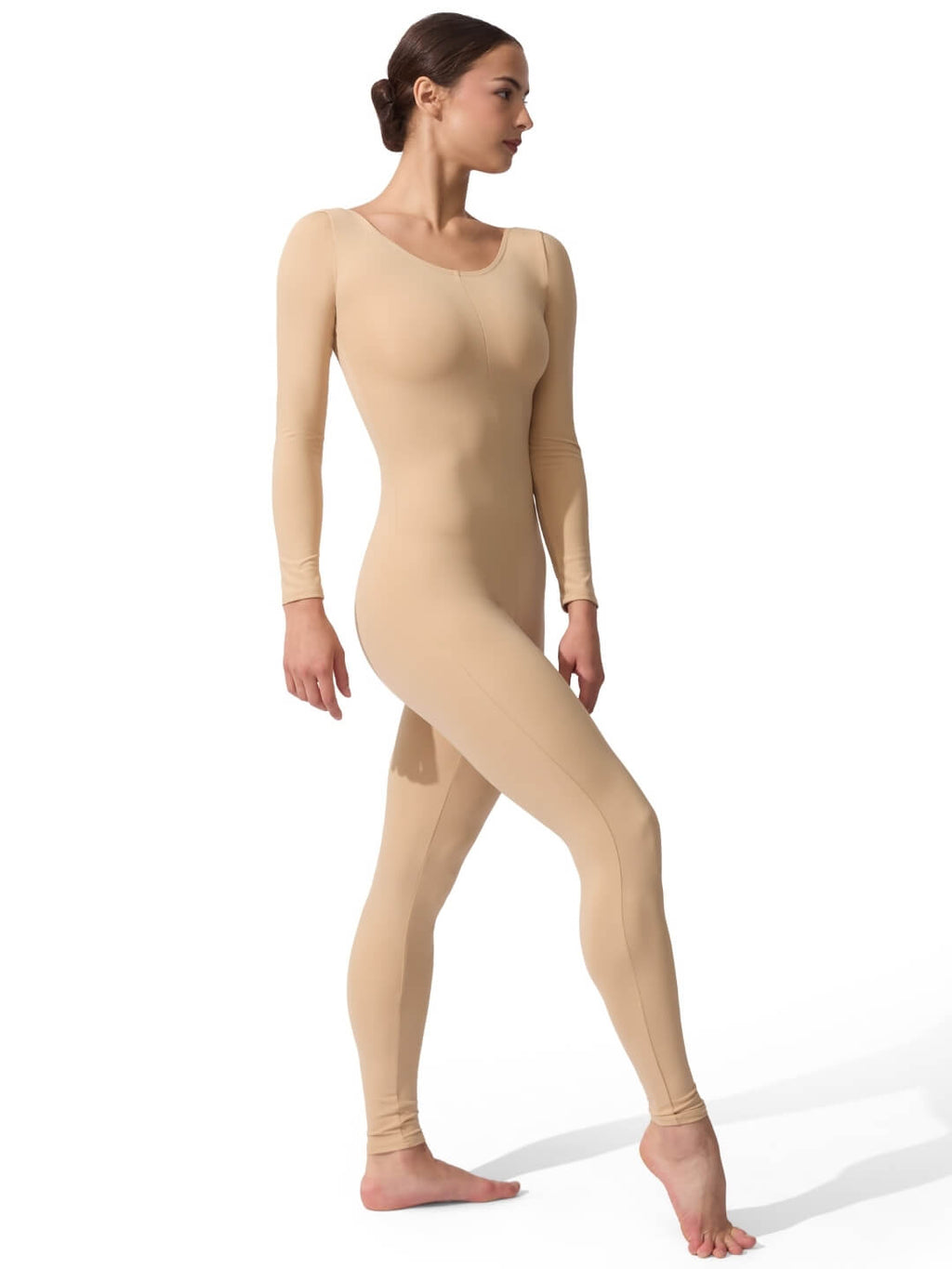
Black dance unitards provide connected coverage through the torso and legs in a single garment built for movement. They suit a range of contemporary, modern, jazz, and acro settings, depending on the cut, fabric, and requirements of the class or choreography. Unlike a separate top and bottoms, a unitard has no shirt hem to tuck in or waistband separating the upper and lower body. That continuous construction helps dancers stay focused through changes of direction, floor sequences, and overhead reaches. Black also provides a consistent foundation for group rehearsals and performances where matching dancewear helps keep attention on timing and movement. Coverage varies by design. Short legs leave more skin exposed around the knees, while longer legs cover more of the body during seated work and transitions across the floor. Sleeveless cuts allow direct access to the shoulders, while sleeves add coverage through the arms. Necklines and back shapes affect both coverage and how the garment stays positioned during movement. The right combination depends on the dancer’s routine, not simply the amount of fabric. A jazz class with repeated kicks places different demands on a garment than a contemporary rehearsal with rolls, spirals, and sustained floorwork. Materials matter just as much as the cut. Cotton-rich stretch fabrics can provide a soft feel against the skin, while synthetic stretch blends may offer a smoother surface and different moisture-management properties. Fiber content alone does not establish how a unitard will perform. Fabric weight, knit structure, stretch direction, and recovery all contribute to its behavior in motion. Stretch allows the material to lengthen during a deep lunge or extended reach. Recovery helps it return toward its original shape afterward. Breathability and moisture management also vary, so any performance features should be confirmed in the garment details. For dancers spending several hours in rehearsal, the useful balance is fabric that moves comfortably, maintains coverage, and holds its shape through repeated wear.

A well-fitting black dance unitard should follow the body without restricting a full breath, compressing the shoulders, or pulling through the crotch. Because the upper and lower sections connect, torso length deserves as much attention as chest, waist, and hip measurements. A dancer may find that a familiar size in leggings does not translate directly to a one-piece garment. Height can provide context, but it does not replace a torso measurement taken according to the relevant size chart. Too little length can create downward pressure at the shoulders and upward tension through the seat. Too much length can leave excess fabric bunching at the waist or crotch. The fit should remain comfortable in motion, not just while standing. Raising both arms, taking a deep plié, lifting a knee, and moving into a lunge can reveal tension that is easy to miss in a static fitting. A seated position can also show whether a neckline gaps or a back opening shifts beyond the intended coverage. Across the hips and seat, fabric should stretch without becoming excessively strained. Dense color at rest does not automatically mean consistent opacity under stretch or strong studio lighting. Checking coverage while bending and reaching helps establish whether additional layers are needed for the intended setting. Seams should sit smoothly rather than twist around the legs or press into areas that meet the floor. For repeated kneeling and rolling, consider where seams fall and how the fabric feels against the rehearsal surface. Leg openings should stay comfortable without digging in, and full-length legs should not gather underfoot. Shoulder straps and sleeves should allow the arms to circle freely without constant adjustment. Any fastening should remain secure and accessible enough for practical changing. These details help distinguish a garment that merely fits from one that supports an uninterrupted class or rehearsal. Any required underlayers should be included in the fitting check, since their seams and edges can change how the unitard feels during movement.

Intended use also shapes which construction details deserve the closest attention. For regular technique classes, consistent fit and easy care support repeated wear. For rehearsal, freedom through the shoulders, hips, and knees matters during long passages of repeated choreography. For stage use, the garment needs to work with the required footwear, underlayers, lighting, and movement demands. Class and performance dress requirements should always guide the final choice, especially where specific sleeve lengths or leg coverage are expected. Dancers who prefer separate pieces can consider Black Dance Pants as an alternative when a top and bottoms better suit the session. A unitard offers connected coverage, while separates allow different sizes or coverage levels through the upper and lower body. Durability depends on both construction and care. Repeated stretching, contact with the floor, and frequent laundering all place demands on dancewear. Smooth, secure stitching and fabric that recovers after movement are useful qualities to assess. Even durable stretch material can develop abrasion against rough surfaces, so rehearsal flooring and choreography remain important considerations. Follow the care label rather than assuming every black unitard needs the same wash routine. Water temperature, washing method, and drying instructions can differ between fabric blends. Where permitted, washing with similar colors and turning the garment inside out can help limit surface friction. Avoid bleach or fabric treatments unless the care instructions allow them, and use high heat only when expressly permitted. Let damp dancewear dry before storing it, rather than leaving it compressed in a rehearsal bag. Between wears, check high-stress areas such as the crotch, armholes, and seams for changes in stitching or fabric recovery. A unitard can also be a practical gift for a dancer when measurements, preferred coverage, and studio requirements are known. Those details matter more than guessing a usual clothing size. The strongest choice supports the dancer’s actual workload, from focused technique practice to repeated runs of a demanding phrase.

FAQ