Capezio

Adult Ballet Warm-Up Sweaters

Adult Ballet Warm-Up Sweaters

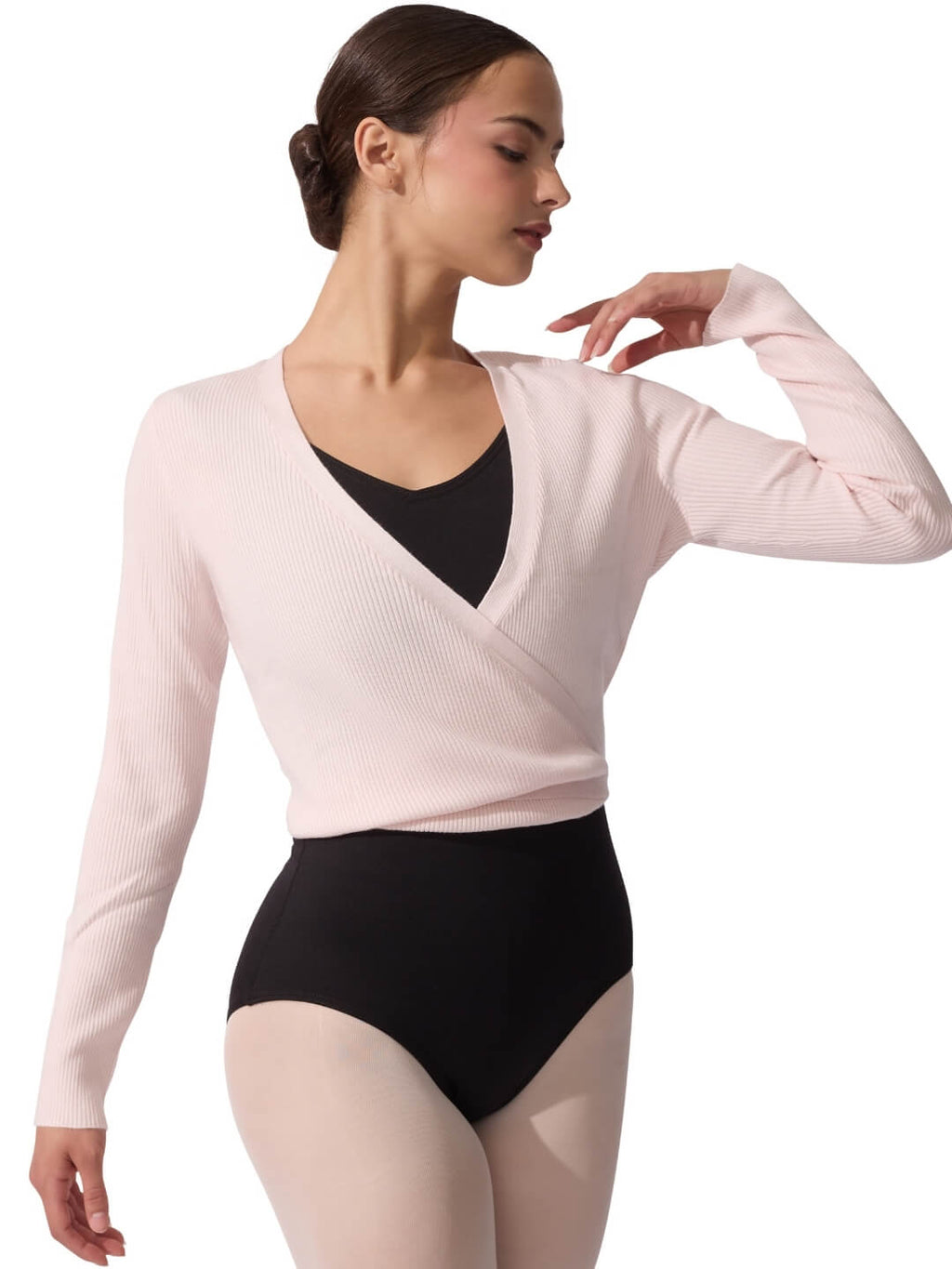
Shop adult ballet warm-up sweaters for an extra layer over your leotard before class and between combinations. Consider fit, coverage, and ease of movement to find a ballet sweater that layers comfortably with your dancewear and supports your warm-up routine.

FILTERS

0 ITEMS
GRID VIEW:
Adult ballet warm-up sweaters add a flexible layer over dancewear without getting in the way of class preparation. Designed for use before and during the opening stages of training, they help retain warmth while allowing the arms and upper body to move. A close, comfortable fit makes the difference when moving from a low preparatory position into first position, opening through second, or reaching overhead. The sweater should follow that motion rather than pull across the shoulders or bunch beneath the arms. Ballet places clear demands on every layer: fabric needs to accommodate movement, necklines need to stay comfortable, and fastenings need to remain secure. Wrap constructions are closely associated with ballet because they offer an adjustable fit and can be removed without pulling a garment over the head. Other sweater shapes can serve the same purpose when their proportions work with a leotard and leave enough freedom through the shoulders. These layers suit adult beginners building a regular class routine, experienced students working through barre, and dancers preparing for rehearsal. They can also be useful during a break between sessions, when a dancer wants an additional layer without changing out of practice clothing. The role is practical, not restrictive. A warm-up sweater complements active preparation; it does not replace the gradual movement that prepares the body for dancing. In a class where an instructor needs to see alignment clearly, a streamlined shape can make it easier to observe the shoulders, ribs, and waist than a bulky everyday sweater would. Class requirements still matter, especially when a teacher asks dancers to remove extra layers after the opening exercises. A sweater that comes off easily supports that transition. For adults moving between work, travel, and the studio, a dedicated ballet layer keeps the focus on clothing that functions during dance rather than an improvised extra top.

Materials and construction influence how an adult ballet sweater feels through repeated use. Knit fabrics offer flexibility through the structure of their loops, while fiber content affects softness, breathability, stretch, and care requirements. Cotton-rich knits can provide a soft feel against the skin, though their drying time and shape retention depend on the blend and construction. Synthetic fibers may contribute resilience or help a garment hold its shape. Added stretch fibers can improve recovery after the elbows bend or the arms reach, but the full fabric blend matters more than any single ingredient. A fine knit can reduce bulk beneath the arms, while a denser knit may feel more substantial over a lightweight leotard. Neither thickness nor softness alone determines whether a sweater works well for ballet. Seams, cuffs, hems, and closures all affect comfort once the dancer starts moving. A shoulder seam that feels unobtrusive at rest should remain comfortable through port de bras. Sleeves should allow full extension without drawing the neckline upward, and cuffs should stay clear of the hands when using the barre. The hem needs enough stability to avoid constant adjustment without gripping so tightly that it restricts the torso. Fit is particularly important in wrap styles, where the overlap and tie placement determine how securely the front sits. Ties should fasten without excess pressure and remain tucked or positioned so they do not interfere with movement. Sweater length also changes how a layer works with the rest of a practice outfit. A shorter shape can leave the waist easy to see, while a longer shape provides more coverage. Adult sizing varies between garments, so body measurements and the intended fit are more useful than relying on a familiar size alone. Allowing space for a leotard underneath should not require so much extra fabric that the sweater shifts throughout class. The most useful fit feels secure during a plié, a forward bend, and an overhead reach.

Regular studio use also calls for straightforward care and dependable construction. Repeated stretching, packing, and washing can affect knitwear, making recovery and seam integrity important considerations alongside initial comfort. A sweater that returns to its shape after movement is easier to wear consistently than one that stretches at the elbows or loses definition at the hem. Care should follow the garment label, since different fibers respond differently to water, heat, and agitation. Where permitted, a gentle wash and mild detergent can help limit unnecessary wear. Delicate knits may need protection from hooks, zippers, and other fastenings in the same load. Drying instructions deserve equal attention: hanging a wet knit can distort its shape, while high heat may affect fibers or stretch components. When flat drying is recommended, reshaping the sweater gently helps preserve its proportions. Letting a worn layer air out before packing it away also keeps the dance bag better organized and prevents damp clothing from sitting against other essentials. These everyday habits support a sweater intended for repeated classes rather than occasional wear. Adult ballet warm-up sweaters can make practical gifts for dancers beginning lessons, returning after time away, or maintaining an established training schedule. Familiarity with the recipient’s measurements, preferred coverage, and studio dress requirements makes that choice more useful. An adjustable construction may offer some flexibility, but it does not replace an appropriate size. For families shopping for dancers across age groups, Children's Ballet Warmups offers a separate place to explore layers intended for younger dancers. Adult sweaters should be selected around adult proportions and the demands of the wearer’s own practice. Whether worn while reviewing combinations before class or through the first exercises at the barre, the purpose remains consistent: practical coverage, freedom through the upper body, and an easy transition as training progresses. A well-chosen layer lets the dancer spend less time adjusting clothing and more time working with control and intention.

FAQ